How to get into cycling and find the right cycling club
Winter season is almost over. The days are getting longer, the weather is getting warmer and that feeling of having no motivation to do anything is slowly going away. With that, the cycling season is starting too and we couldn’t be more excited to share some tips and help you get started with cycling as a beginner.
This beginner-friendly cycling guide is designed to get you on the right track and help you think about aspects you might not have considered. However, if you’ve never ridden a bike before and don’t have anyone to teach you, we strongly recommend finding an instructor who can show you proper techniques. Learning alone can be demotivating, and let’s be honest we all need that extra push when stepping out of our comfort zone.
Let’s get started, shall we?
Step 1: Buy a bike at your local cycling store
Buying a bike is a highly individual process. We all have different heights, body structures and preferences. As a beginner, it’s important to start by asking yourself: What kind of cycling do I want to get into? What bike do I need for that? Do some research on the different types of cycling (road, gravel, mountain) and choose the one that excites you most. The most common beginner friendly bikes are:
For road cycling:
- Canyon Endurace Allroad,
- Trek Domane AL4 Gen4 for.
For gravel cycling:
- Trek Checkpoint ALR 3,
- Cannondale Topstone Sora.
For mountain cycling:
- Canyon Grand Canyon AL 7,
- Scott Scale 980 for mountain cycling.
Read more here: Best budget road bikes 2026
We strongly recommend buying your first bike at a local cycling store. Why? Because the staff at bike shops are usually passionate cyclists themselves with knowledge about the bikes they sell. They’ll be able to guide you through the options, answer your questions and let you test different bikes and saddles to find the perfect fit.
Step 2: Learn how to fix basic inconveniences
So, you’re home with your new bike but what now? Before you hit the trails, spend some time watching tutorials on YouTube and learning the basics of bike maintenance. Focus on essential skills like fixing a flat tire and reattaching a fallen chain.
Even though your bike is brand new, bad luck can strike at any moment. You don’t want to find yourself stranded in a remote area with a flat tire and no idea how to fix it. Trust us, spending an hour now to learn these skills will save you hours of frustration (and possibly a long walk) later.
Step 3: Invest in a repair kit
This step goes hand-in-hand with Step 2. You absolutely need a repair kit stored under your saddle at all times. No exceptions.
A basic repair kit should include:
- Spare inner tube (or two)
- Tire levers
- Portable bike pump or CO2 inflator
- Multi-tool with hex keys
- Patch kit (optional but handy)
It’s worth investing in quality, compact equipment you can rely on when you need it most. This small investment will give you the confidence to ride farther from home.
Step 4: Invest in high-quality cycling clothes
Cycling can be an expensive hobby, but it doesn’t have to break the bank. Our recommendation is to invest in a few high-quality essentials to build a solid foundation. Quality gear not only improves comfort but also enhances safety and performance.
It’s also important to choose bright or reflective clothing so that drivers can see you easily, especially during early morning or evening rides.
Essential Gear – Don't skimp on these
- Saddle — A comfortable saddle makes your ride. Spend time finding one that fits your body.
- Helmet — Non-negotiable. A quality helmet protects your head and could save your life.
- Bike lock — Essential if you plan to stop anywhere. Invest in a sturdy U-lock or chain lock.
- Sunglasses — Protect your eyes from sun, wind and insects.
- Padded cycling shorts or pants — These reduce chafing and improve comfort on longer rides.
- Two breathable cycling jerseys — Technical fabrics wick sweat and keep you comfortable
- Waterproof jacket — Weather can change fast. A packable rain jacket is a lifesaver.
Nice to Have – But not essential right away
- Cycling gloves — Add comfort and protect your hands in case of a fall.
- Lightweight cycling jacket — Useful for cooler mornings or evenings.
- Cycling shoes — Clipless pedals and shoes improve efficiency, but as a beginner you don´t really need it, just start with regular trainers.
- Cycling-specific socks — More comfortable than regular socks, but not crucial at first.
- Water bottle and cage — Hydration is important, but any bottle works to start.
- GPS bike computer or cycling watch — Great for tracking progress, but your phone works fine especially when you are just starting.
Start with the essentials and add the extras as you get more serious about cycling. You don’t need everything on day one.
Step 5: Join a cycling club
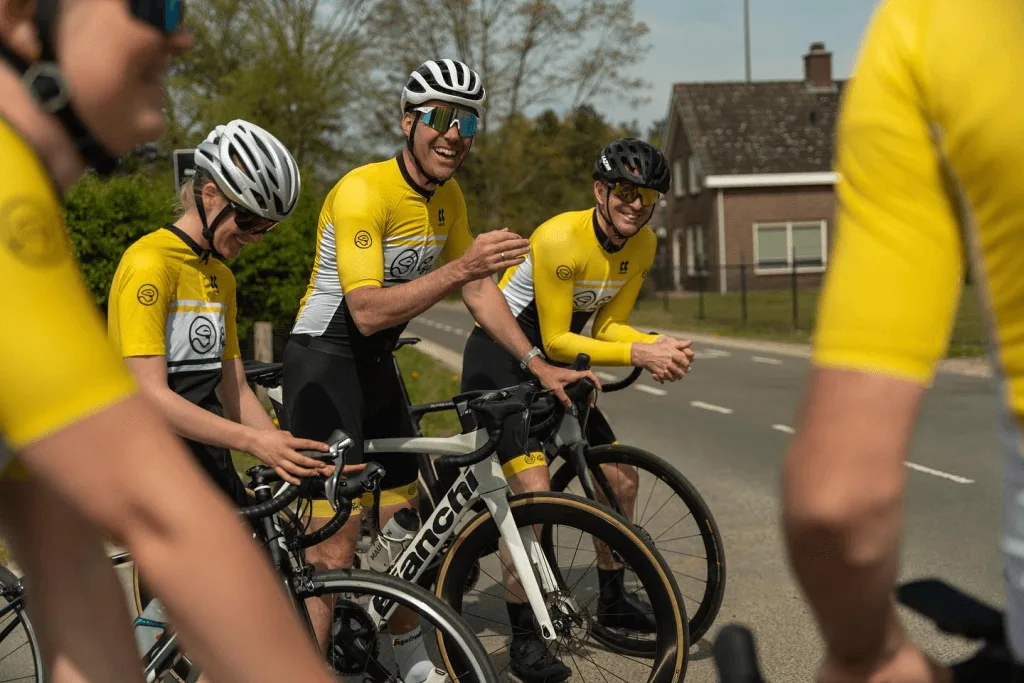
Cycling and sports in general are a fantastic way to connect with like-minded people and make new friends. Cycling clubs are perfect for this. They offer structure, motivation and a sense of belonging that’s hard to replicate when riding solo.
There are plenty of cycling clubs out there and you’ll definitely find some in your area. Clubs range from casual social groups to competitive racing teams, so there’s something for everyone regardless of your goals or fitness level.
Benefits of joining a cycling club:
- Structured group rides at different paces and distances
- Learn from experienced riders technique, safety and local routes
- Built-in accountability and motivation to keep riding
- Social connection and friendships built around a shared passion
- Access to club events, races and organized rides
Finding and joining a club has never been easier. Platforms like Cyql make it simple to plan rides and connect with the cycling community in your area. Once you join a club, platforms like Cyql also help you stay organized: RSVP for rides, communicate with members and keep up with club news all in one place. No more scattered Facebook groups, lost emails or missed ride announcements.